
Assessment & Management of Sleep Disorders
Dr. Sandeep Jain assesses and manages sleep disorders which involves identifying the underlying cause of disturbed sleep, assessing its impact on health and daily functioning, and choosing appropriate behavioral, medical, or device-based treatments.
Common Symptoms
1. Insomnia — difficulty falling asleep, staying asleep, or waking too early
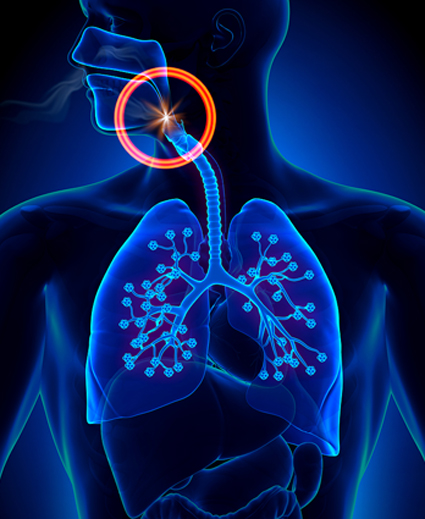
2. Obstructive Sleep Apnea — repeated airway blockage during sleep
3. Restless Legs Syndrome — urge to move the legs, often worse at night
4. Narcolepsy — excessive daytime sleepiness with sudden sleep attacks
5. Circadian Rhythm Sleep-Wake Disorders — mismatch between internal clock and desired schedule
6. Parasomnias — abnormal behaviors during sleep, such as sleepwalking or night terrors
Causes
1. Psychological and Emotional Factors like stress, anxiety, and depression are some of the most common triggers.
2. Certain health conditions like
Chronic pain, Hormonal imbalances (thyroid disorders, menopause), Neurological issues, Breathing problems like sleep apnea etc.
3. Some Medications, Lifestyles and Environmental factors
Tests
Diagnostic Tests
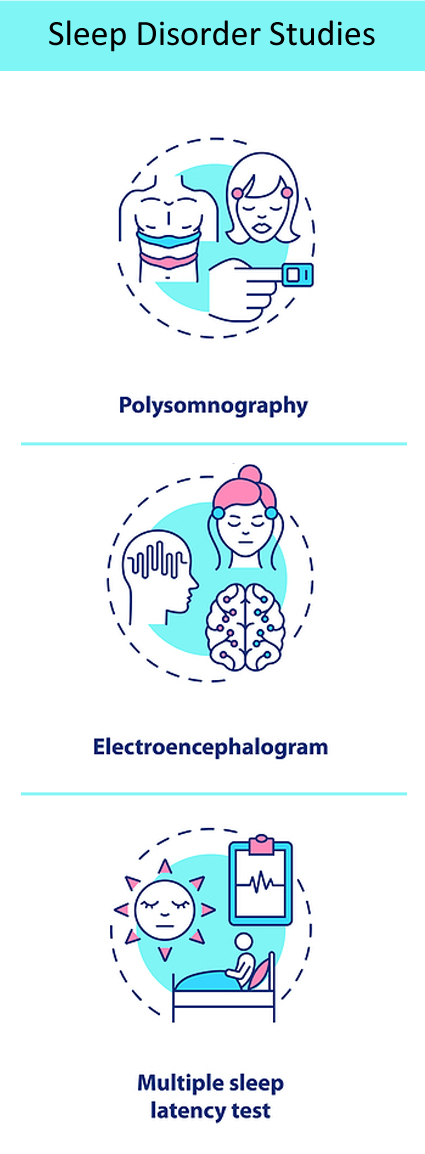
Polysomnography (Sleep Study)
This is the gold standard for many disorders, especially sleep apnea. It records:
– Brain waves (EEG)
– Eye movements
– Muscle activity
– Oxygen saturation
– Heart rhythm
– Breathing patterns
Home Sleep Apnea Testing
– Used in selected patients with suspected obstructive sleep apnea.
Multiple Sleep Latency Test (MSLT)
– Assesses excessive daytime sleepiness and helps diagnose narcolepsy.
Actigraphy
– A wearable device that tracks movement and sleep-wake cycles.
Clinical History
A detailed sleep history is the foundation of diagnosis. Clinicians assess:
– Bedtime and wake time
– Sleep duration and quality
– Snoring, choking, or witnessed apneas
– Daytime sleepiness or fatigue
– Medication, caffeine, alcohol, and substance use
– Psychiatric symptoms (anxiety, depression)
– Work schedule and shift work
– Family history of sleep disorders
Physical Examination
The exam may focus on:
– Body mass index (BMI)
– Neck circumference
– Airway anatomy
– Nasal obstruction
– Neurologic examination
– Cardiovascular assessment
Treatments
Sleep Hygiene (Basic Management)
Recommended for nearly all sleep disorders:
– Maintain a consistent sleep schedule
– Avoid caffeine and nicotine late in the day
– Limit alcohol before bedtime
– Reduce screen exposure before sleep
– Exercise regularly
– Keep the bedroom dark, quiet, and cool
Cognitive Behavioral Therapy
CBT-I for Insomnia
Considered first-line treatment for chronic insomnia.
Components include:
– Stimulus control
– Sleep restriction
– Relaxation therapy
– Cognitive restructuring
Medications
Examples include:
– Melatonin for circadian rhythm disorders
– Zolpidem for short-term insomnia
– Modafinil for narcolepsy
– Dopamine agonists for restless legs syndrome
Medication choice depends on age, comorbidities, and risk of dependence.
Positive Airway Pressure Therapy
– CPAP for Obstructive Sleep Apnea
– Continuous Positive – Airway Pressure keeps the airway open during sleep and reduces:
– Daytime sleepiness
– Cardiovascular risk
– Snoring
Lifestyle and Medical Management
– Weight loss for obstructive sleep apnea
– Treatment of anxiety/depression
– Managing chronic pain
– Adjusting shift-work schedules
– Avoiding sedatives or alcohol when appropriate
Complications of Untreated Sleep Disorders
Untreated sleep disorders may contribute to:
– Hypertension
– Cardiovascular disease
– Diabetes
– Depression and anxiety
– Cognitive impairment
– Motor vehicle accidents
– Reduced quality of life