Diagnosis & Treatment of Pulmonary Diseases

Diagnosis

1. Shortness of breath and chronic cough
2. Asthma, COPD , Emphysema 
3. Chronic Bronchitis and Bronchiectasis
4. Lung nodules, Lung Cancer, Abnormal Chest X-Ray
5. Interstitial Lung Diseases (ILD), such as Lung Fibrosis and Sarcoidosis
6. Pulmonary Hypertension and Pulmonary Embolism (PE)

Causes

1. Exposure to pollutants such as asbestos, exhaust fumes and tobacco smoke
2. Industrial and Mold exposures

Tests

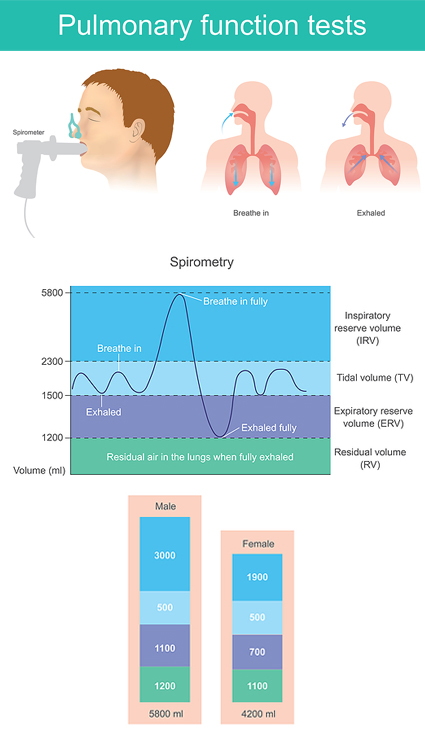
Pulmonary Function Tests

These measure how well the lungs work by evaluating airflow, lung volume, and oxygen exchange.
Common PFTs include:
– Spirometry
– Lung volume testing
– Diffusion capacity (DLCO)

Imaging Studies

These help identify infections, scarring, tumors, inflammation, or structural abnormalities.
– Chest X-rays
– CT scans of the chest
– PET scans (when evaluating nodules or cancer)

6 Minute Walk Tests

These test are used to measure functional lung and heart capacity.
– Exercise tolerance
– Oxygen needs during activity

Bronchoscopy

A thin flexible camera is inserted into the airways to:
– View the lungs directly
– Collect tissue samples
– Remove mucus or obstructions
– Advanced robotic bronchoscopy systems may assist with lung nodule evaluation.

Blood & Oxygen Tests

This test is used to evaluate heart & lung function
– Arterial blood gas (ABG)
– Oxygen saturation monitoring
– Allergy testing
– Infection screening

Minimally Invasive Procedures

Some patients may benefit from:
– Bronchoscopy-guided procedures
– Lung biopsy
– Airway stenting

Treatments

Medications

Depending on the condition, treatment may include:
– Bronchodilators
– Inhaled corticosteroids
– Antibiotics
– Antifibrotic medications
– Biologic therapies for severe asthma

Oxygen Therapy

Supplemental oxygen may be prescribed for patients with low oxygen levels due to:
– COPD
– Pulmonary fibrosis
– Advanced lung disease

Pulmonary Rehabilitation

A supervised program combining:
– Exercise training
– Breathing techniques
Education
– Nutritional counseling