
Management of Critical Care Medicine

The management of patients with life-threatening illnesses or injuries requiring intensive monitoring, advanced organ support, and specialized treatment in an ICU.
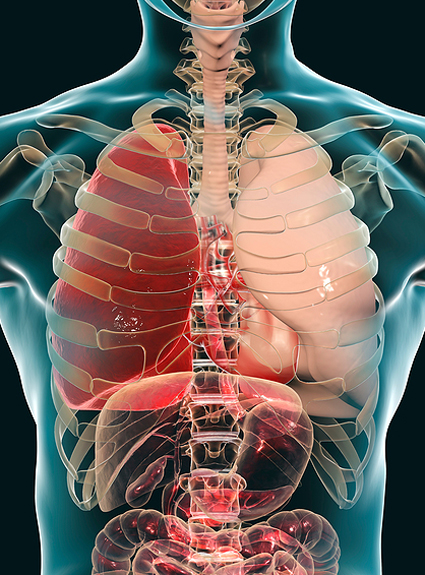
Pneumonia Medical Concept, 3d Illustration Showing Lobar Pneumon

Core Areas

Critical care specialists manage conditions such as:
1. Severe infections and sepsis
2. Respiratory failure requiring ventilators
3. Shock and multi-organ failure
4. Major trauma
5. Cardiac arrest and unstable heart conditions
6. Acute kidney injury
7. Neurologic emergencies (stroke, coma, brain injury)
8. Postoperative complications

ICU Technologies & Monitoring

1. Mechanical ventilation
2. Hemodynamic monitoring
3. Vasopressors and inotropes
4. Dialysis/CRRT
5. Arterial and central venous lines
6. Bedside ultrasound
7. ECMO (Extracorporeal Membrane Oxygenation)

Conditions

Pneumonia

An infection of the lungs that can cause inflammation and fluid accumulation in the air sacs. Severe pneumonia may lead to respiratory failure, requiring ICU admission and mechanical ventilation.

Septic Shock

A severe form of sepsis in which infection causes dangerously low blood pressure and abnormalities in cellular metabolism despite adequate fluid resuscitation. It is associated with high mortality and often requires vasopressors and intensive monitoring.

Mechanical Ventilation

A life-support technique that assists or replaces spontaneous breathing using a ventilator. It is commonly used for patients with respiratory failure due to pneumonia, sepsis, trauma, or other critical illnesses.

Trauma Victims

Patients suffering from serious injuries such as:
– Motor vehicle collisions
– Falls
– Gunshot or stab wounds
– Burns
– Crush injuries
These patients may require intensive care for stabilization, surgery, respiratory support, and management of complications.

Patients with Multiple Organ Dysfunction

Also called multiple organ dysfunction syndrome (MODS), this condition occurs when two or more organ systems fail, often due to severe infection, trauma, shock, or inflammation. Commonly affected organs include:
– Lungs (respiratory failure)
– Kidneys (acute kidney injury)
– Cardiovascular system (shock)
– Liver
– Brain
Management focuses on treating the underlying cause while providing organ support, such as ventilation, dialysis, and circulatory support.

Relationship Between These Conditions

A common ICU scenario might be:
1. A patient develops severe pneumonia.
2. The infection progresses to sepsis and septic shock.
3. Respiratory failure develops, requiring mechanical ventilation.
4. Persistent shock and inflammation lead to multiple organ dysfunction.
5. The patient receives comprehensive critical care support in the ICU.
These conditions represent some of the most common and challenging cases managed by critical care teams.